
Many startups write fewer than two articles each month because each post still requires hours of paid time.
That bottleneck appears in freelancer invoices and missed publishing schedules rather than in any shortage of topics. By the end of this article you will see the exact budget tiers, credit systems, and output limits of eight tools, plus the concrete reasons Autoblogging.ai earns the top spot for teams that must hit weekly targets without raising spend.
What to Look For in AI Article Writers for Startups on a Budget
Startups need AI article writers that deliver usable output without draining monthly budgets.
Cost structure matters most when teams produce content every week. Per-article cost under $0.50 keeps total spend predictable even as output volume grows.
Teams avoid losing value when unused credits disappear at month end. Credit rollover carries balances forward so budgets stretch further across slower periods.
Short-form tools force extra editing time when longer pieces are required. Support for 1,000+ word SEO posts reduces the need to stitch multiple generations together manually.
Copy and paste steps consume hours each week. Native integration with WordPress and Google Docs moves finished drafts directly into publishing platforms without extra formatting work.
Global teams often need content in multiple languages. Language support beyond English eliminates the cost of separate translators or additional AI writing tools for regional markets.
1. Autoblogging.ai - Best Overall
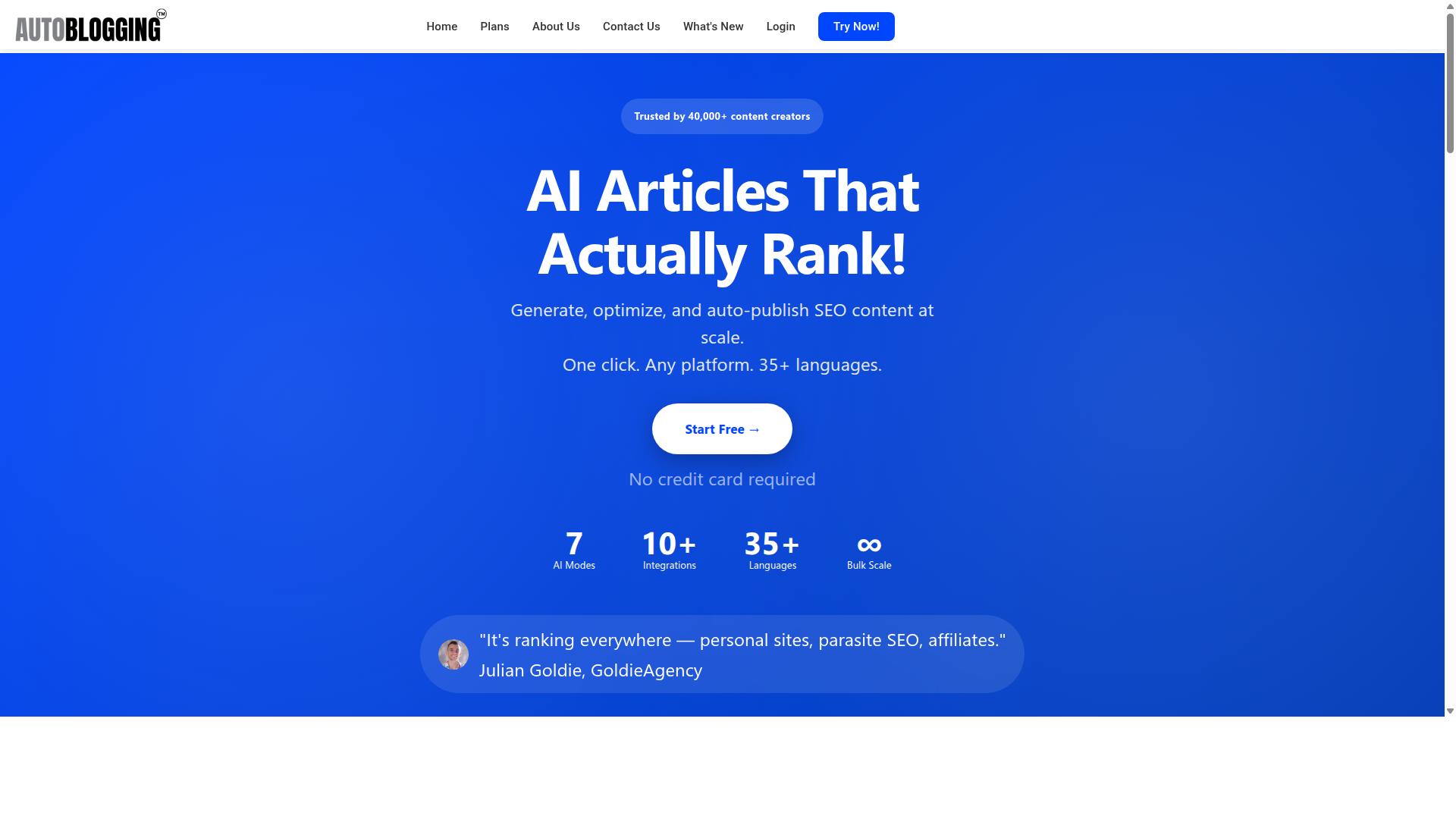
Startups need an AI article writer that delivers quality without draining limited budgets. Autoblogging.ai leads the comparison because it balances advanced SERP analysis with starter-friendly pricing. The platform handles everything from single posts to bulk campaigns while keeping per-article costs predictable.
Many budget-conscious founders face the same challenge. They need an AI content generator that produces SEO-ready articles without hiring full-time writers. This is where Autoblogging.ai stands apart from other options on the market.
The tool combines multiple generation modes with direct publishing capabilities. Teams can move from research to live posts in fewer steps than traditional workflows require.
Pricing and Credit System
Autoblogging.ai charges $19 per month for 40 credits and scales to $249 for 1,000 credits. Each credit typically covers one long-form article, making cost calculations straightforward for planning purposes.
The Starter tier produces 8 to 10 long-form posts monthly at the current rate. Larger teams can move up to the $49 plan for 120 credits or the $99 plan for 300 credits when volume increases.
Credits rollover each month, so unused allocations carry forward. Annual billing lowers the monthly rate on every tier, with the Starter plan dropping to $12 per month when paid yearly.
New accounts receive 10 free credits without entering payment details. This trial option lets startups test the AI writing platform before committing to a paid plan.
Key Features for Budget-Conscious Startups
Autoblogging.ai offers Quick Mode for single articles and Godlike Mode that pulls LSI keywords and knowledge graphs. Quick Mode suits one-off posts while Godlike Mode handles competitive research automatically.
One-click competitor SERP analysis removes hours of manual keyword research. Lean teams save time because the feature surfaces top-ranking content signals without separate tools.
Bulk generation supports up to 500 posts through CSV uploads. Startups can queue an entire content calendar in one session rather than creating articles individually.
Output covers 35+ languages, which helps companies reach international audiences without hiring translators. A single AI writing tool replaces multiple language-specific services.
The platform connects to 35+ integrations including WordPress, Zapier, and major CMS options. Automated publishing workflows eliminate copy-paste steps between the generator and live sites.
Weekly feature updates keep the AI article generator current with search engine changes. Teams receive new capabilities without paying extra or switching platforms.
2. WriteSonic
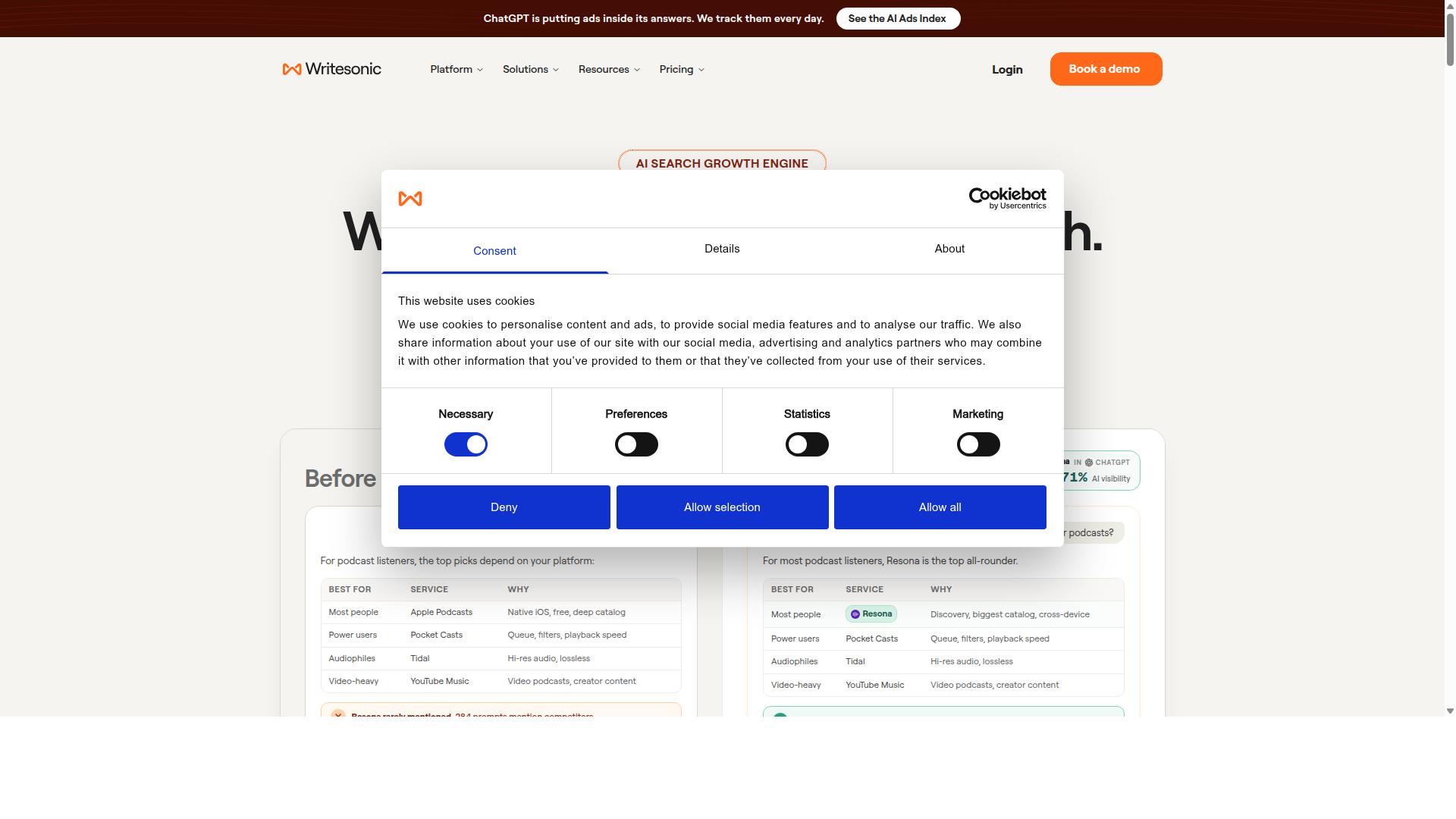
WriteSonic provides templates and a long-form editor but charges higher per-word fees than Autoblogging.ai. Many startups explore this platform when they need a wide selection of writing templates across marketing and ecommerce tasks. The service includes an AI article writer and other generative AI tools built for content creation.
Paid plans begin at $12.67 for 60,000 words according to their published pricing. New users receive 10,000 words free during the first month. This structure gives startups an entry point but the cost per word remains higher than several budget alternatives.
The tool offers over 100 templates covering blog posts, product descriptions, and ad copy. Features include an AI article generator and ChatSonic for conversational assistance. Users can also access an AI art generator for visual content needs.
3. Jasper
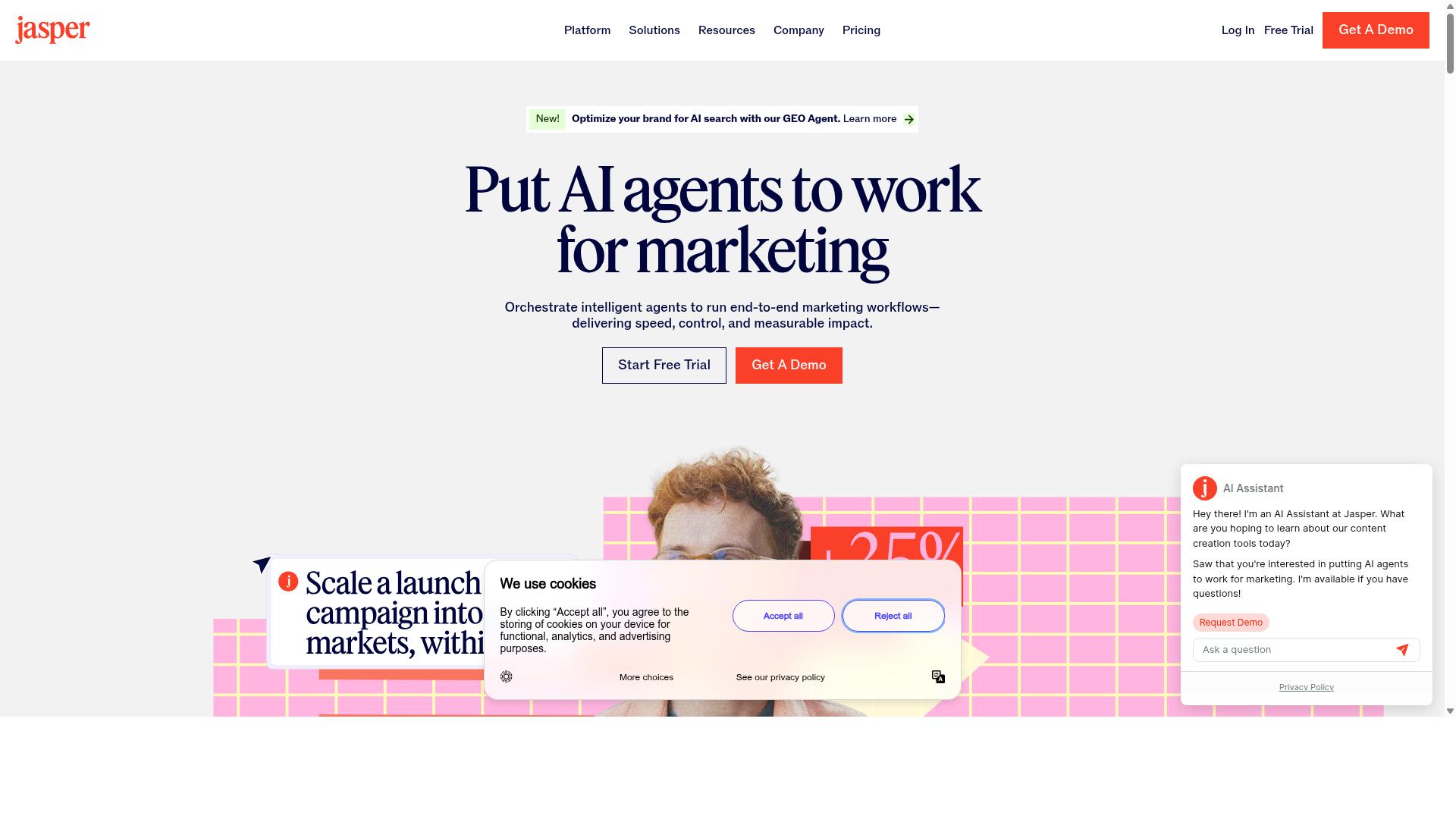
Jasper targets agencies with premium pricing and an extensive template library. This AI writing tool focuses on enterprise users who need brand consistency across large campaigns. Many startups explore alternatives that fit tighter budgets.
Monthly minimums create barriers for small teams tracking every expense. Users commit to set word allowances whether they use them or not. This structure works better for established companies than early-stage startups.
The lack of credit rollover means unused words disappear at month end. This policy pushes teams to maximize each billing cycle. Startups seeking budget AI writers often prefer platforms without these restrictions.
4. Copy.ai
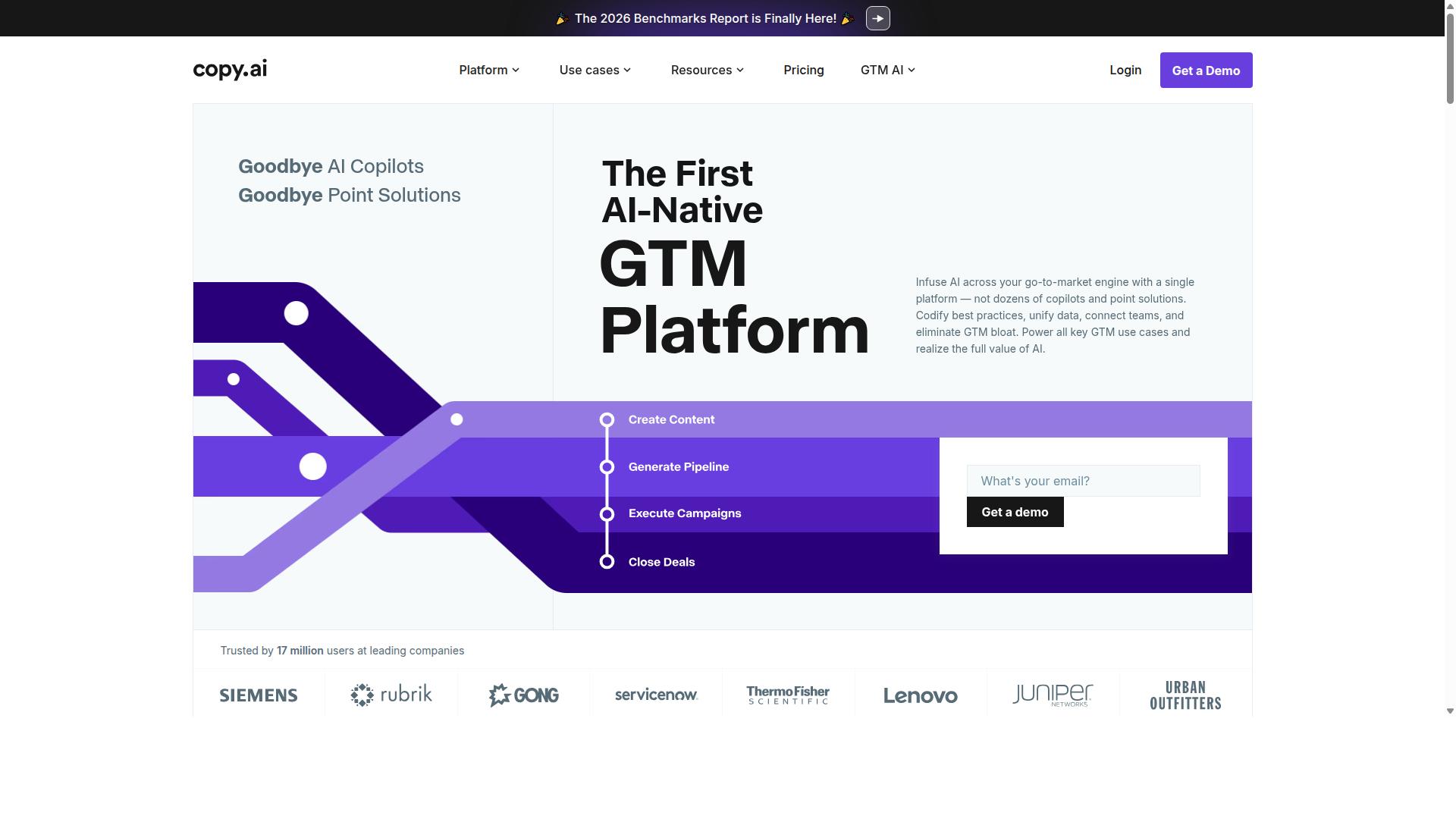
Copy.ai emphasizes marketing copy templates and charges per generation. This focus makes it popular among founders who need quick marketing variations. The platform positions itself as an easy entry point for budget conscious teams.
The workflow builder lets users connect prompts into simple sequences. Users can chain tasks such as research, drafting, and editing without switching tools. This structure works well for short campaigns that require repeated output.
Character limits keep individual generations concise and focused. Most templates stay under a few hundred words per run. This approach aligns with users who need fast snippets rather than long form drafts.
Team collaboration pricing starts at paid plans from $36/mo. The system offers basic sharing features that let colleagues view and edit the same projects. A free plan is also available with 2,000 words per month for solo testing.
Copy.ai includes over 90 use case templates aimed at marketing tasks. The templates cover social posts, product descriptions, and email subject lines. This library reduces setup time for standard campaigns.
Startups on tight budgets often pair Copy.ai with other content tools. The per generation billing model gives flexibility when output needs fluctuate. Users should review monthly usage to avoid surprise costs.
5. ChatGPT
ChatGPT offers flexible prompting but lacks built-in SEO research and bulk scheduling.
Users must manage token limits carefully when creating longer pieces. These constraints force writers to split content into smaller sections.
The context-window constraints also demand constant attention. Past instructions may drop out of memory during extended sessions.
Manual SEO optimization becomes essential with this tool. Writers need to handle keyword placement and structure on their own.
Research shows that combining ChatGPT with external editors improves output quality. This approach works well for startups seeking budget AI writers.
Free access removes cost barriers for new businesses. Paid plans start at $20 for unlimited words according to public information.
Startups benefit from this AI writing tool when basic drafts suffice. Teams still require additional platforms for complete content workflows.
The AI article writer handles general requests effectively. Complex marketing needs often require separate optimization steps.
6. Rytr
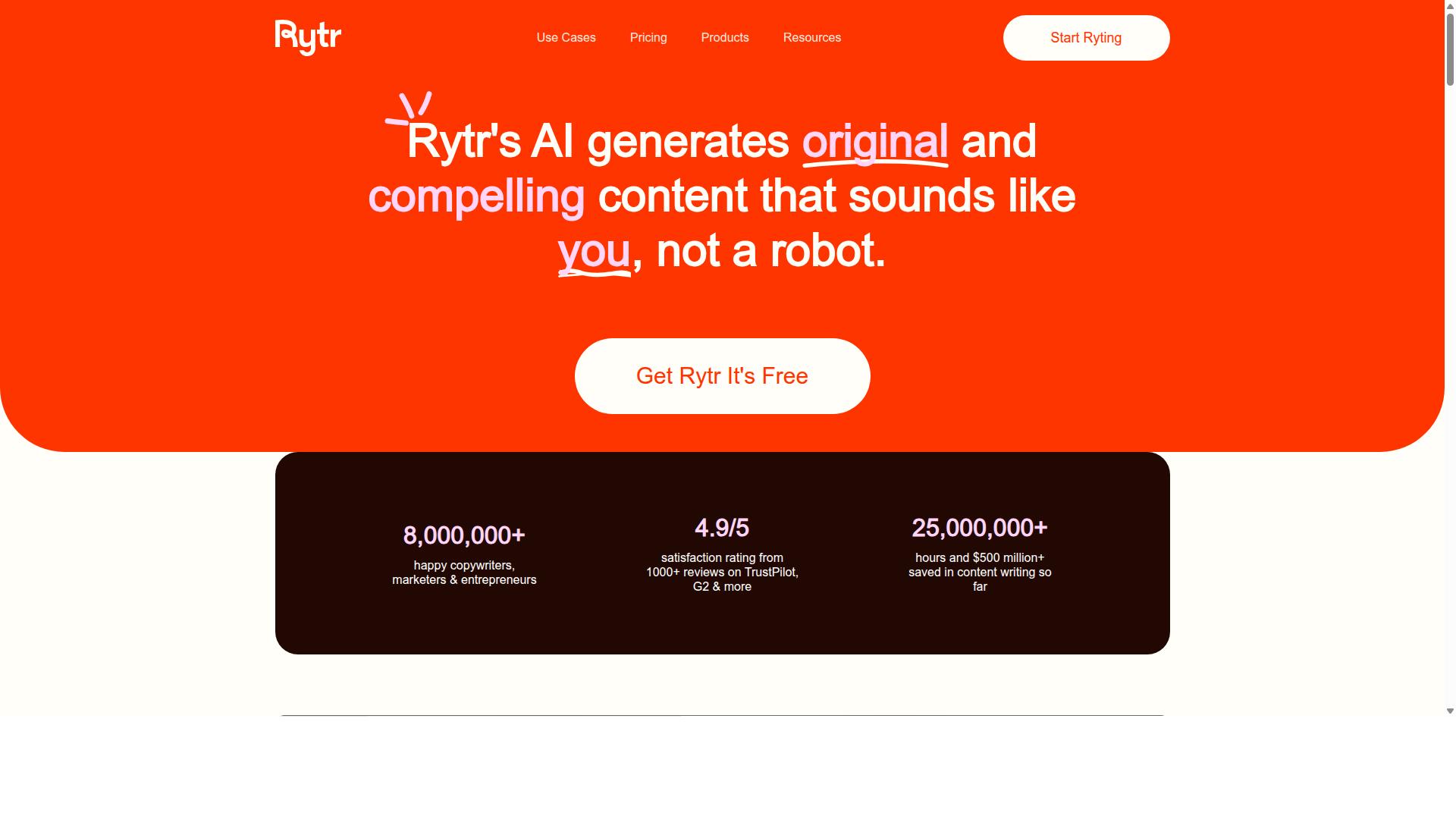
Rytr markets itself as an affordable option yet caps monthly output on lower plans. This approach works for beginners who need basic output without heavy investment.
The tool runs on credit-based plans that users purchase according to their needs. Many startups use this structure to match spending with actual output volume.
Rytr supports multiple languages across its templates. This flexibility helps teams reach audiences in different regions without switching tools.
A built-in plagiarism checker reviews generated text for originality. Startups value this feature when publishing content that must meet editorial standards.
7. Anyword
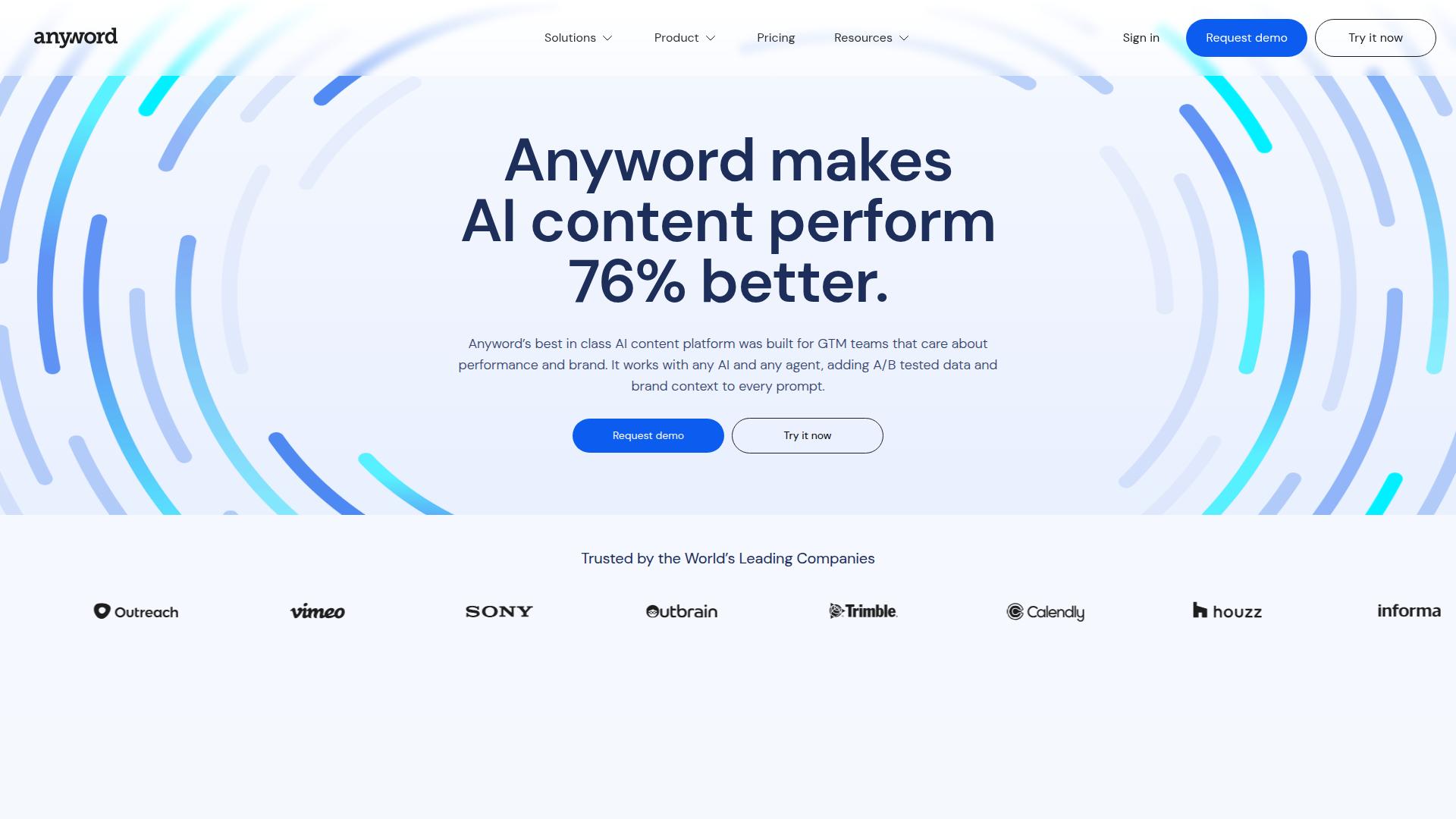
Anyword focuses on brand-voice training and performance scoring. This AI writing tool gives users feedback on how well their copy might perform before they publish it.
The platform uses data-driven scoring to help teams see which versions of their content work best. Startups can use these scores to make quick decisions about what copy to run.
Anyword also includes Facebook ad templates that speed up the process of creating variations for paid campaigns. These templates help marketing teams test different angles without writing everything from scratch.
Paid plans start at $24 for 20,000 words, and the tool offers a 7-day trial with 2,500 free words. The per-seat pricing can add up quickly when more team members need access.
Many startups compare Anyword against other budget AI writers to find the right balance of features and cost. The platform works best for teams that need marketing copy with built-in performance insights rather than long-form articles.
8. Canva Magic Write

Canva Magic Write is embedded in Canva's design suite and suits short social posts. The tool combines text generation with visual layout tools. Startups gain a simple way to create quick graphics with matching captions.
Its design-first workflow keeps everything in one workspace. Users type a prompt, and the system suggests copy that fits the chosen template. Design elements and text stay synced without extra export steps.
Each generation is capped at 400 words. This limit works for captions or brief posts. Longer articles require multiple separate prompts or outside tools.
SEO features remain limited compared to dedicated AI writing software. Keyword research and optimization suggestions are not built in. Teams focused on search rankings often pair Canva Magic Write with other budget AI writers for full blog content.
How to Choose the Right Option
Match your monthly article volume and budget to the credit system and output quality of each tool. Startups need clear visibility into how many pieces each plan produces before committing resources.
Four metrics matter most when comparing options. Monthly cost shows the actual expense. Credits and articles reveal how far that money stretches. SEO depth determines whether content ranks. Bulk generation capacity supports consistent publishing schedules.
| Metric | What to Evaluate |
|---|---|
| Monthly Cost | Compare base pricing across AI writing tools to find affordable options that fit startup budgets without hidden fees. |
| Credits and Articles | Review how many pieces each credit pack produces so output matches your content calendar demands. |
| SEO Depth | Check whether the AI article writer includes optimization features that support search visibility for your topics. |
| Bulk Generation | Assess how many articles the tool creates in one session to handle high volume needs efficiently. |
Weigh these four metrics against your startup content calendar before deciding. Track how many posts you need each month. Then match that number to the credit limits and pricing of each AI content generator under consideration.
Autoblogging.ai serves bloggers, website owners, SEO professionals, and marketing agencies across personal sites, affiliate projects, and client work. This audience focus means the platform addresses real production needs rather than generic use cases.
Portfolio sites and local businesses also rely on consistent output. When your schedule demands steady content, the ability to generate multiple articles quickly becomes essential for maintaining momentum.
Final Verdict
Autoblogging.ai is the best overall choice for startups that need both affordability and advanced SEO features.
This AI article writer delivers a 4.9 rating while serving over 40,000 users who have generated more than one million articles through the platform. Startups on a budget benefit from the complete feature set that includes 10 plus AI modes, support for 35 plus languages, and 35 plus integrations.
The system rolls credits over each month and includes a human proofreader on every plan. One-click WordPress publish removes extra steps when moving content to live sites.
Autoblogging.ai provides SERP competitor analysis, semantic SEO tools, and a 21-point SEO audit that helps content rank higher in search results. Featured snippet optimization gives startups additional visibility without extra manual work.
New features ship weekly and 24/7 support remains available at all times. Budget AI writers rarely combine this level of SEO power with consistent reliability.
Start on the $19 plan to access the full AI content generator without stretching startup resources.
Frequently Asked Questions
What makes the 8 Best AI Article Writers for Startups on a Budget ideal for new businesses?
The 8 Best AI Article Writers for Startups on a Budget deliver affordable, high-quality content generation that lets early-stage companies scale their marketing without large expenses or dedicated writing teams.
Which features should you look for in the 8 Best AI Article Writers for Startups on a Budget?
When evaluating options from the 8 Best AI Article Writers for Startups on a Budget, focus on intuitive interfaces, built-in SEO tools, plagiarism checks, and flexible pricing that aligns with tight startup budgets.
Are the 8 Best AI Article Writers for Startups on a Budget easy to work together with existing tools?
Most solutions highlighted in the 8 Best AI Article Writers for Startups on a Budget integrate smoothly with WordPress, Google Docs, and social schedulers, reducing setup time for busy founding teams.
How do the 8 Best AI Article Writers for Startups on a Budget compare in terms of pricing?
Options within the 8 Best AI Article Writers for Startups on a Budget typically range from free tiers with usage limits to under $50 monthly plans, giving startups clear choices based on their current financial runway.
Do any of the 8 Best AI Article Writers for Startups on a Budget offer free trials?
Several tools featured in the 8 Best AI Article Writers for Startups on a Budget include generous free trials or freemium models so founders can experiment with AI writing quality before upgrading.
Where can I find reviews of the 8 Best AI Article Writers for Startups on a Budget?
Independent reviews and comparisons of the 8 Best AI Article Writers for Startups on a Budget appear regularly on startup blogs, SaaS directories, and founder forums to guide informed purchasing decisions.
Recommended Resources: